Helping social teams turn overwhelming engagement data into actionable insights
+75% increase in overall task completion rate
-90% decrease in feature request volume
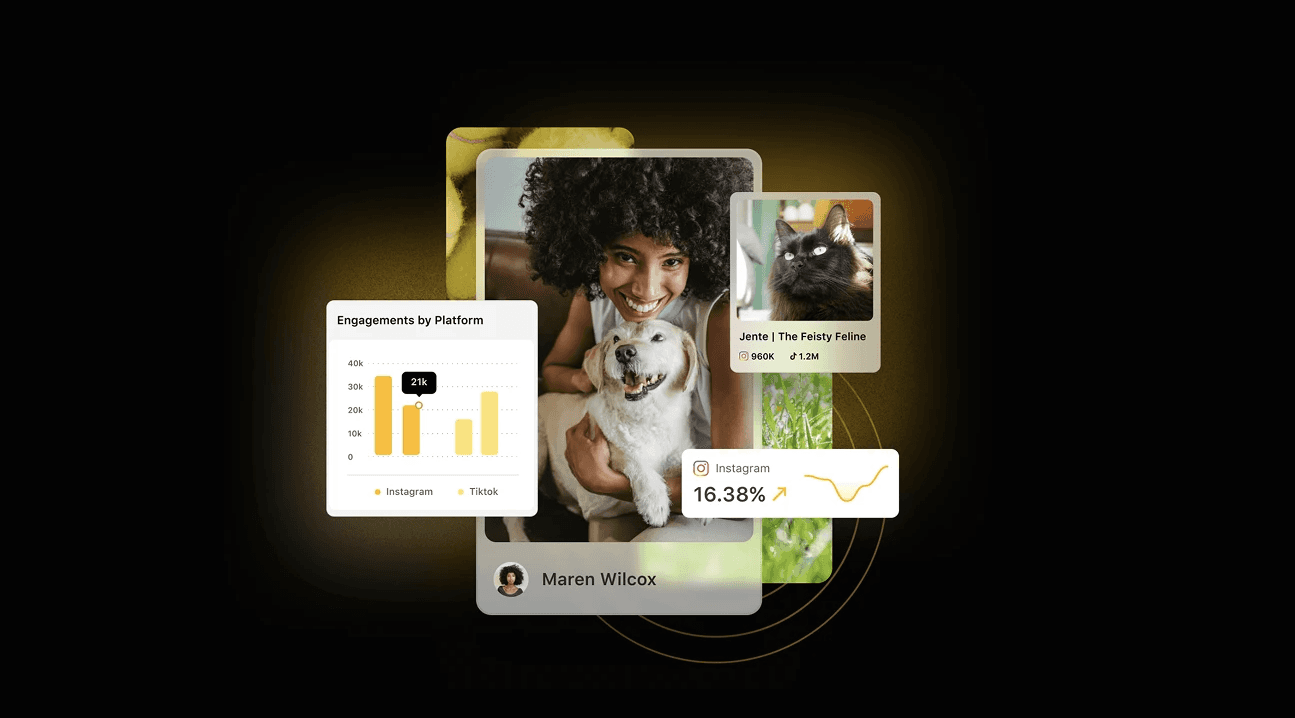
How do you help social media managers stop relying on outdated spreadsheets and start trusting their data again?
Sprout Social helps brands connect with their audiences, and analytics is a core part of that mission. But when it came to engagement metrics, the experience was too rigid. Early on in the project, I learned that reports were cluttered with irrelevant categories and customers needed to rebuild the data in spreadsheets.

Impacts to the broader Sprout experience
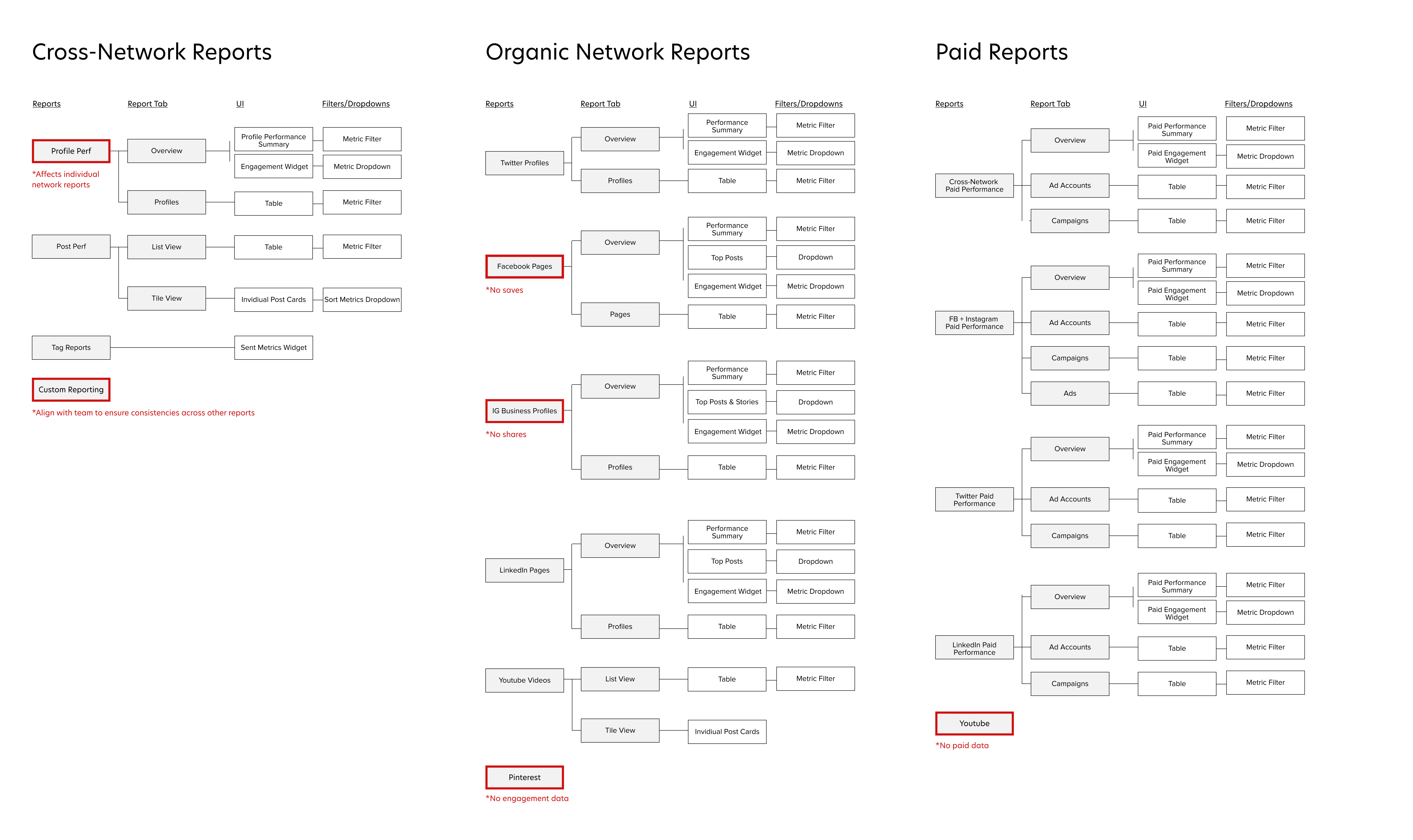
I approached this as a strategic design challenge rather than a feature gap. Engagement is one of the most important metrics for social teams but it meant something different for every business. The task was to give managers control over how engagement was defined, without overwhelming them with complexity or breaking consistency across Sprout’s analytics suite. I unified this by understanding the needs of customers and the business.
Designing a natural customer journey for social media managers
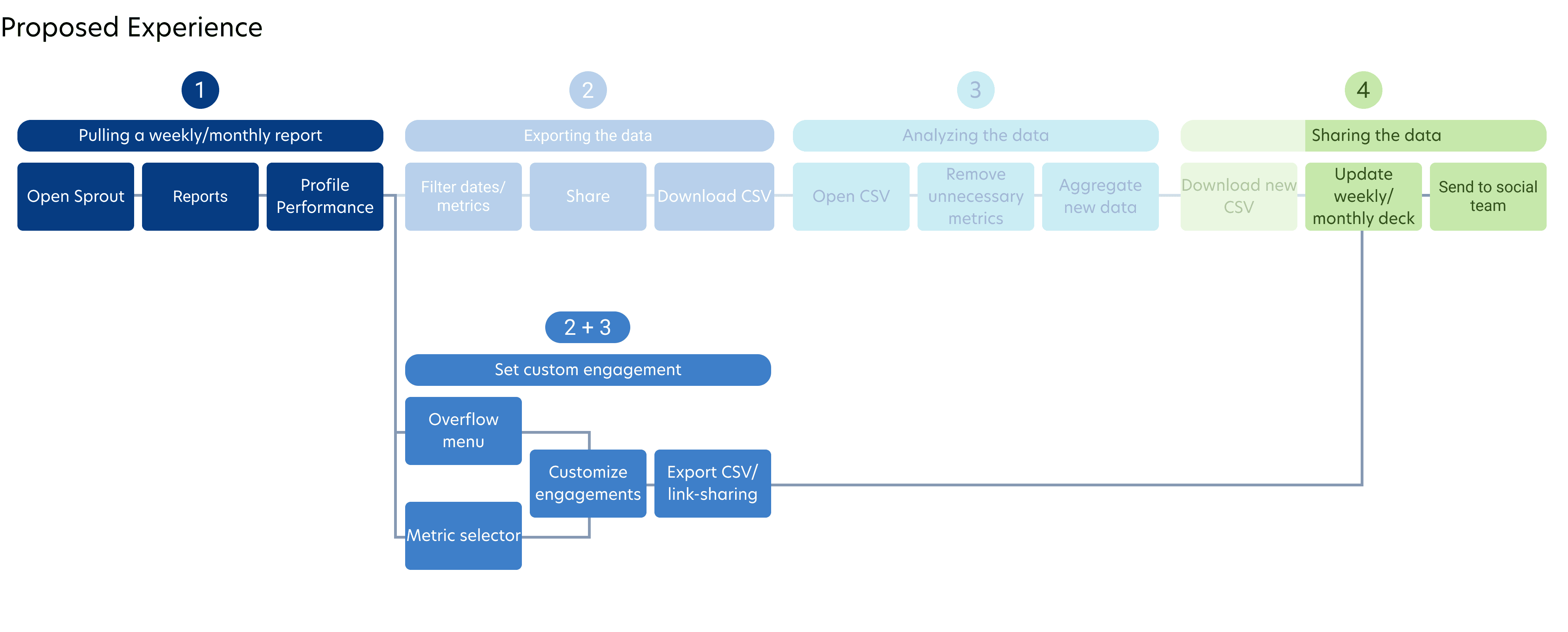
The design process began with principles shaped directly from research. One insight I uncovered was that customers wanted a set-and-forget system, while still having the option to adjust as their goals evolved. Working with my cross-functional team, I used a collaborative process to develop a series of flows to map out the user's journey. In the proposed experience, I envisioned the new customer workflow to be as contexual as possible to their needs.
Contexual in-app notification
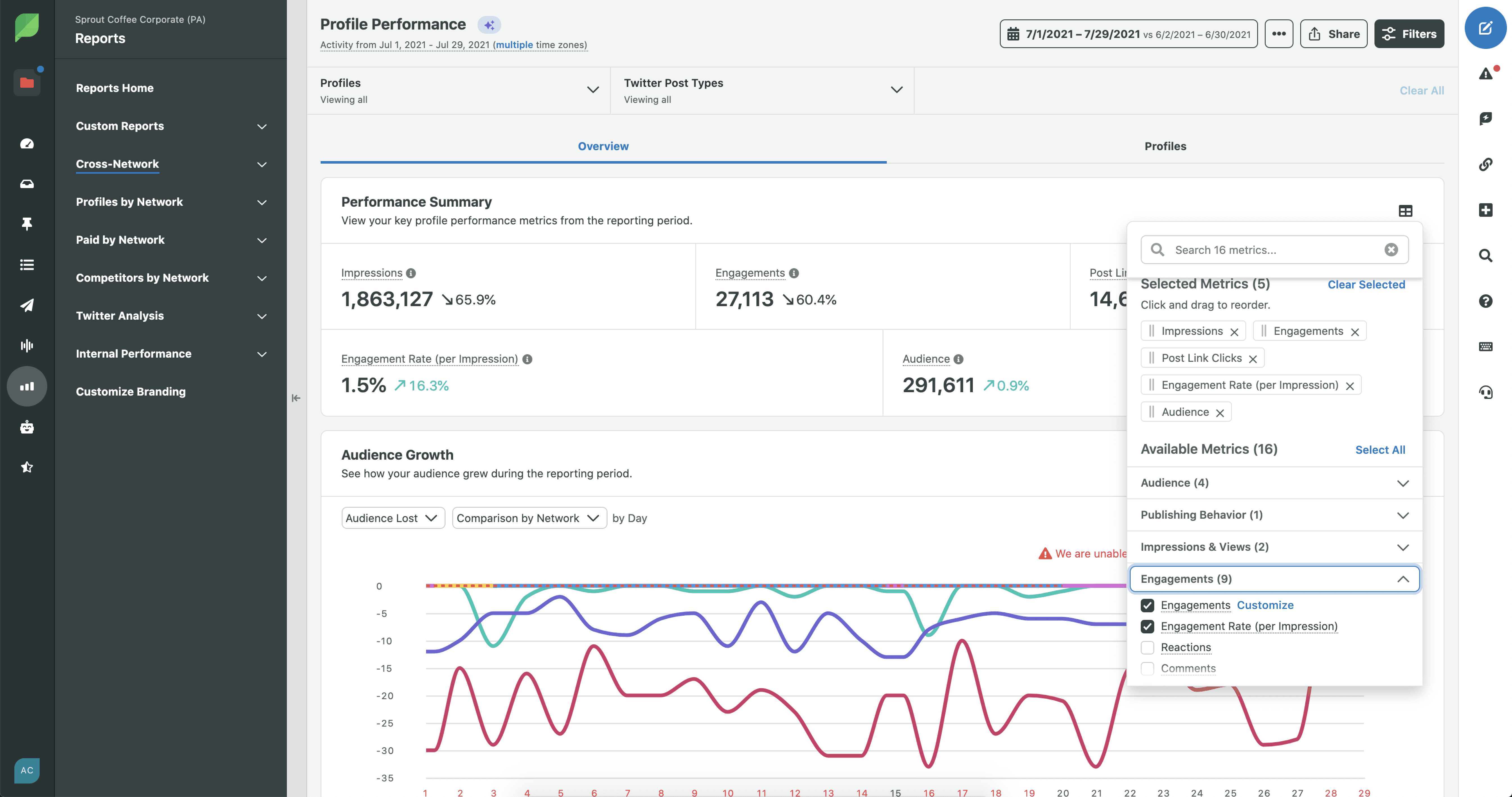
The final experience reflects the prominence of how often custom engagements is set. Based on research I conducted, we found that users want to 'set and forget' the metric while having the ability to change it if needed.
More focused time in report
Social media managers can spend more time in-app by creating their custom metric right in the report. Given that this metric may be changed in the future due to our users' business goals, we provided customers the option to change the setting as needed.
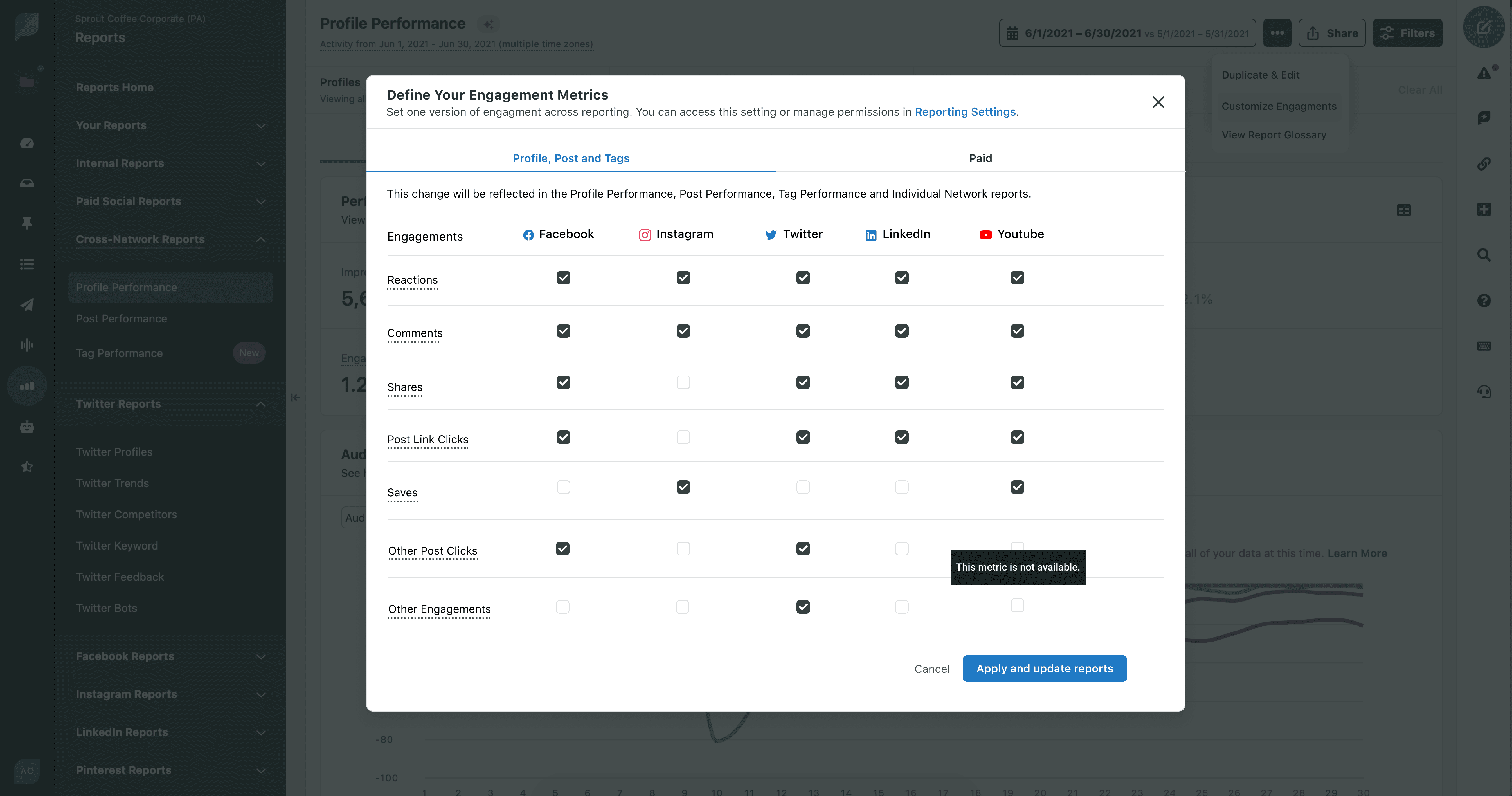
Groupings based on workflow
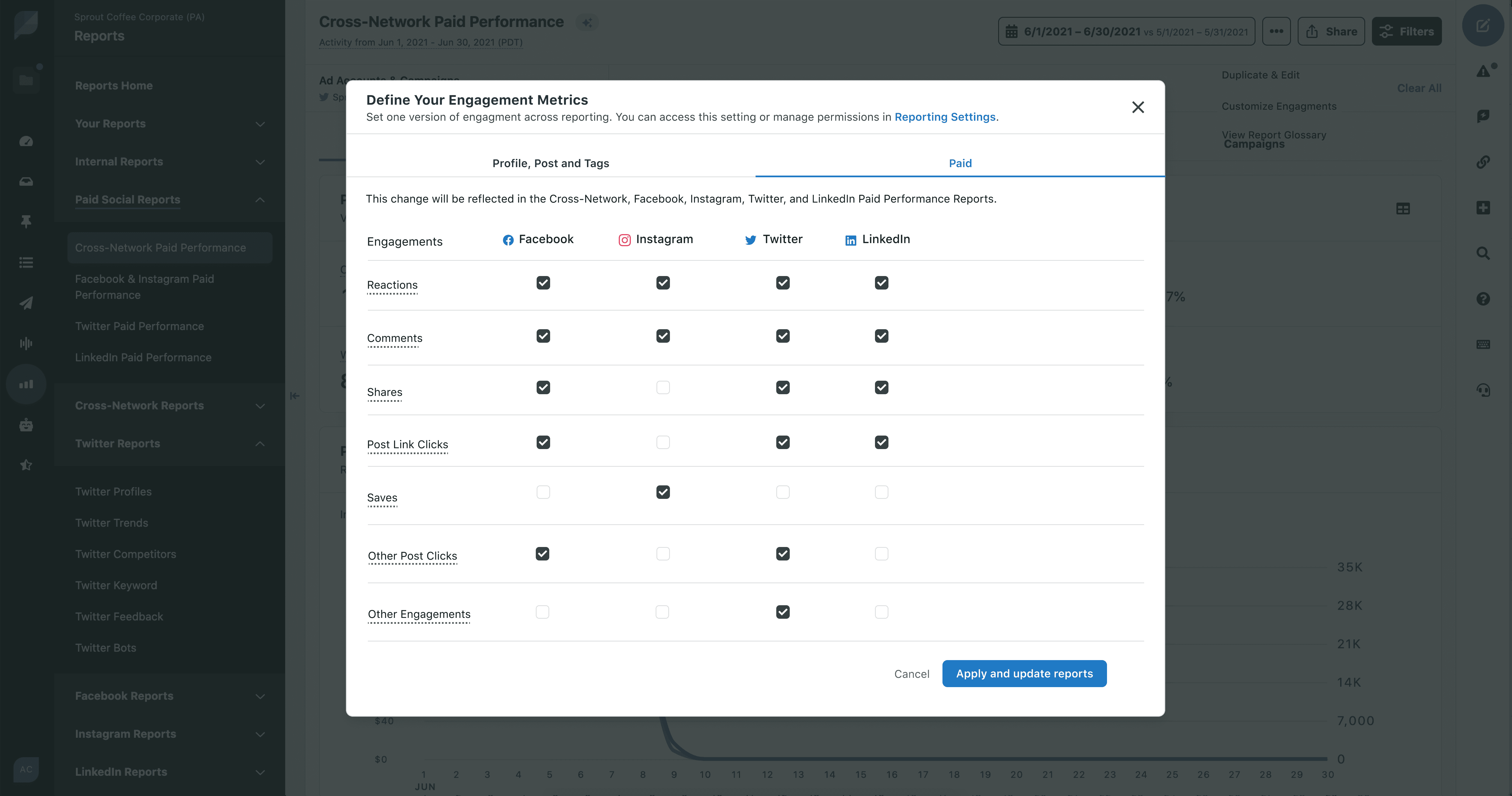
The custom engagement setting is grouped by reports, which is accomplished based on the most common workflows we saw from research. We learned that Paid reporting is often done by separate social teams, so we categorically sectioned it out to match customer mental models.
More work